Mapping the Local 2025/2026–2
Memory, Space, and Everyday Testimony
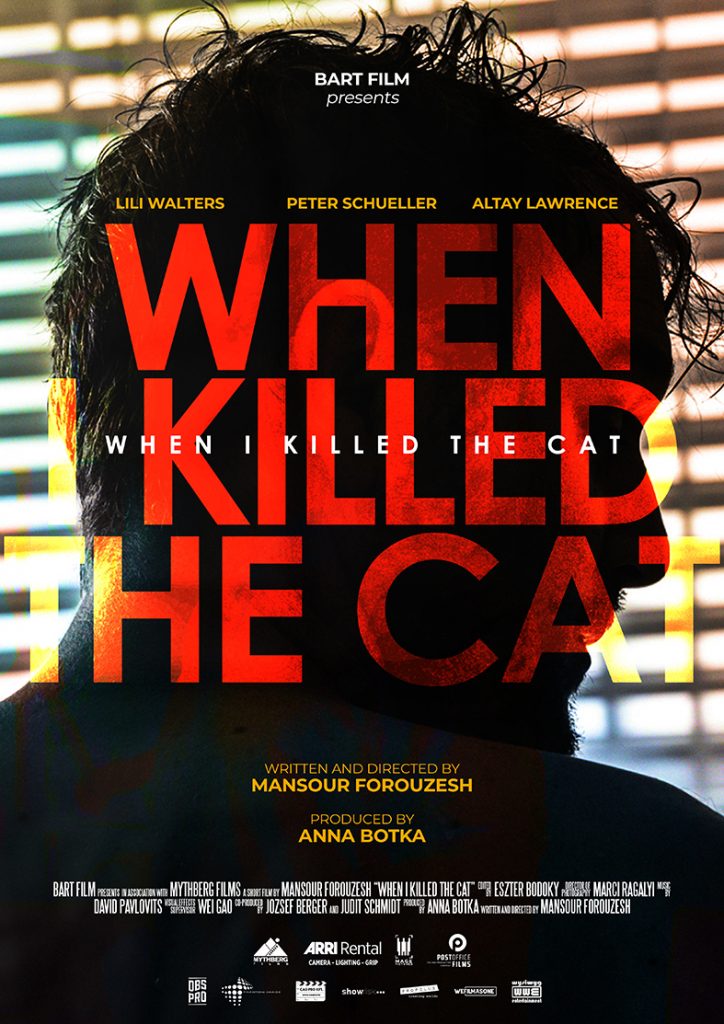
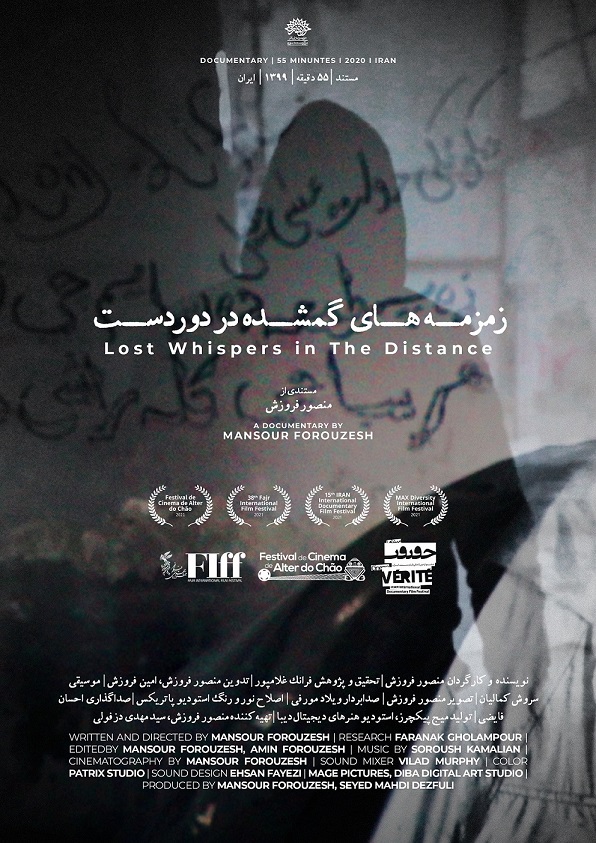
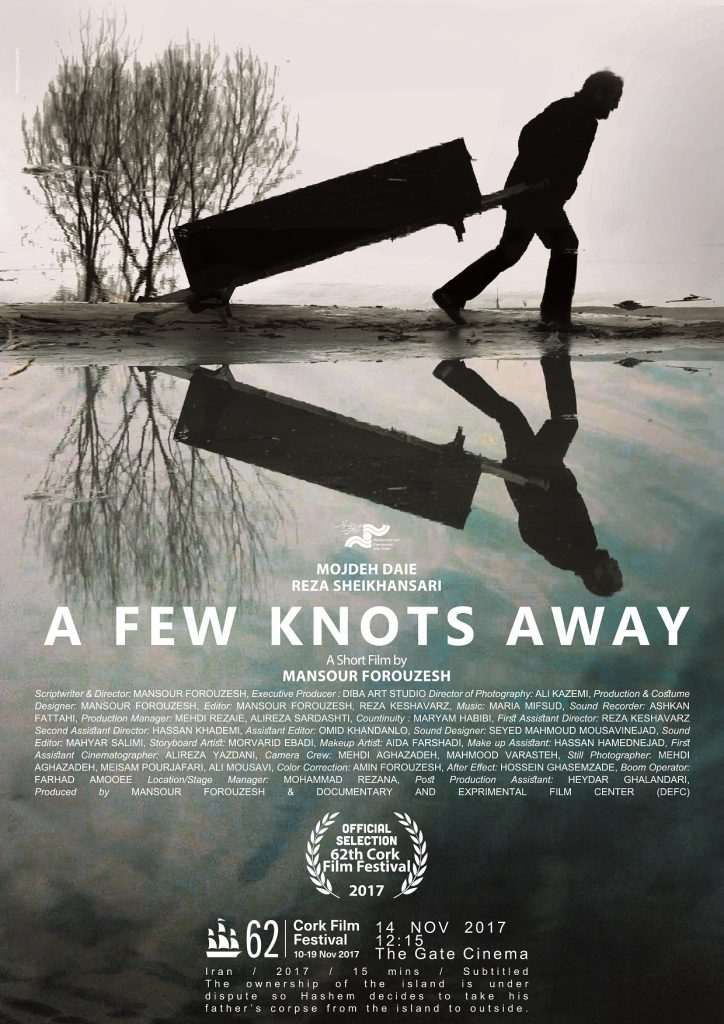
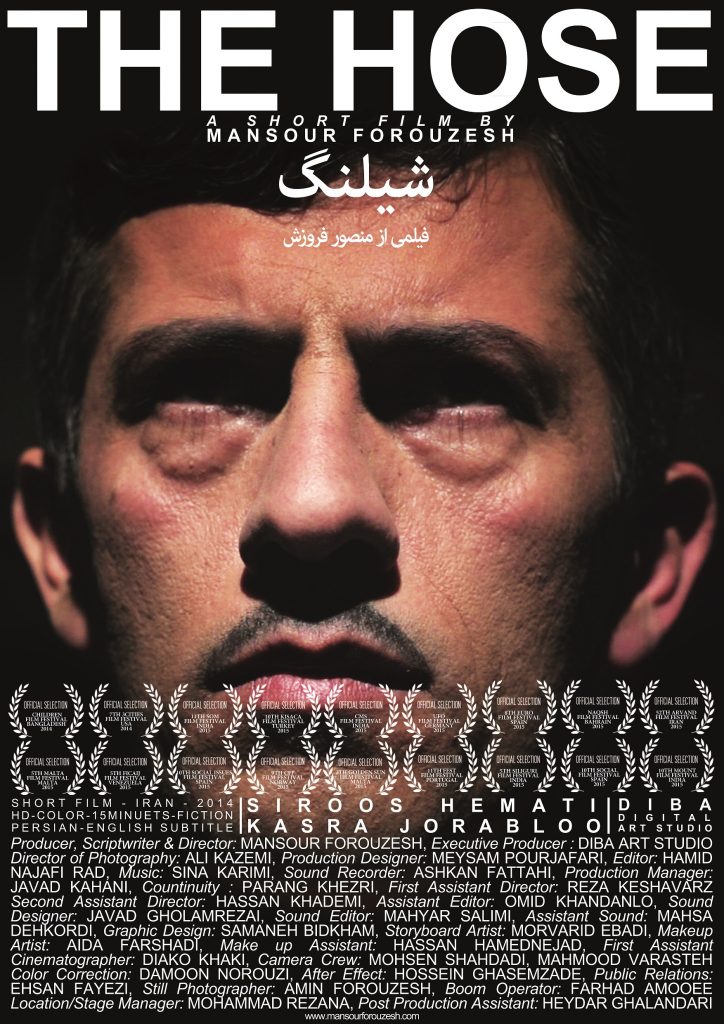
The Spring Semester 2025/2026–2 of Mapping the Local was led by filmmaker, artist, and researcher Mansour Forouzesh. His practice-based approach combines documentary filmmaking, personal testimony, realism, and the relationship between image, memory, and lived experience. Drawing from both cinematic and artistic methodologies, the semester encouraged students to approach everyday life as material for critical and creative reflection.
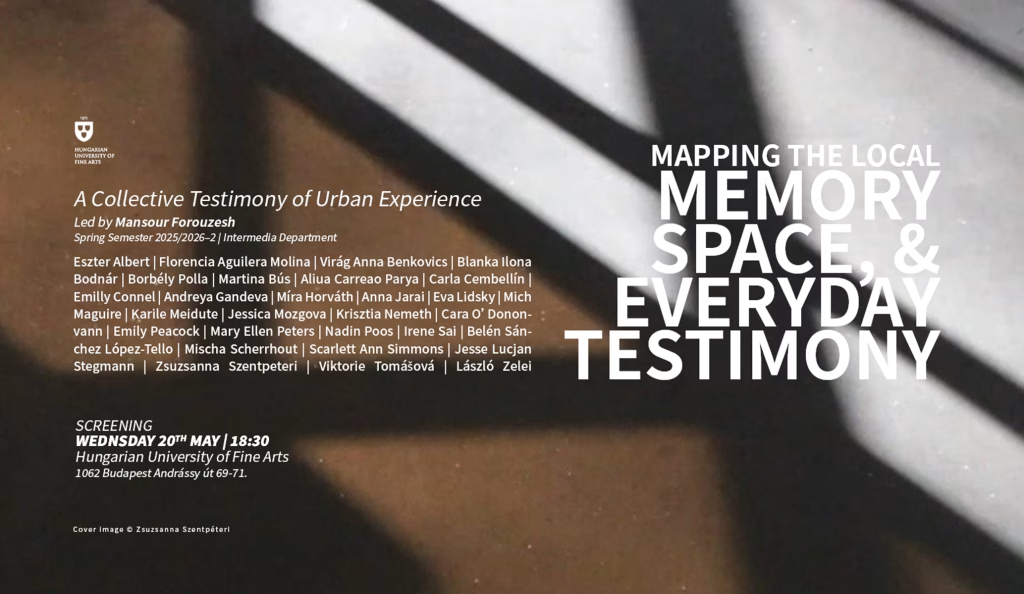
This semester focused on the relationship between memory, urban space, personal testimony, and moving images. Students were invited to explore how everyday encounters with the city can become cinematic and artistic material through documentary practices, photography, sound, archival fragments, and personal narratives.
The course approached locality not simply as geography, but as lived experience. Public spaces, streets, transportation systems, temporary homes, routines, and forgotten corners of the city became sites through which students reflected on belonging, displacement, intimacy, and observation. The seminar examined how urban environments carry layered histories and socio-political traces while simultaneously producing highly personal and subjective experiences.
Drawing inspiration from documentary filmmakers and artists such as Dziga Vertov, Chantal Akerman, Agnès Varda, and Abbas Kiarostami, students investigated how the ordinary can be transformed into cinematic testimony.
Through video essays, observational recordings, photography, interviews, and experimental media practices, participants reflected on the ways individuals position themselves within public space and how memory becomes embedded within the surfaces of the city.
Practice During the Semester
Throughout the semester, students engaged in a combination of theoretical discussions, screenings, practical workshops, and collaborative critiques. Sessions included readings on urban memory, public space, documentary practices, and site-specific artistic interventions, alongside analyses of films and artworks addressing the relationship between the individual and the city.
Students were encouraged to develop projects through processes of observation, walking, recording, collecting, and archiving. Personal media materials—including photographs, phone videos, sound recordings, texts, and found images—became starting points for artistic investigation. The seminar emphasized experimentation and process-based research rather than fixed narrative structures.
Working individually or collaboratively, participants produced short video works and image-based projects that explored themes such as migration, belonging, alienation, everyday rituals, historical traces, and emotional geographies of urban life. The final outcome of the semester culminated in a public screening and presentation in which the works were organized into thematic blocks followed by discussions and audience engagement.
The seminar ultimately functioned as a shared space for dialogue, reflection, and artistic experimentation, where the city itself became both subject and medium.
Seminar Lectures and Thematic Framework
During the seminar, a series of lectures, screenings, and discussions explored how the city can be approached as a site of memory, observation, and personal testimony. Through contemporary art, documentary cinema, and urban theory, the course examined how everyday experiences, public spaces, and personal encounters can be transformed into forms of artistic reflection and cinematic expression.
1. Mapping the Local: Locality, Memory, and Artistic Practice
Introduction to Contemporary Urban Testimony
This lecture introduces the conceptual and methodological framework of the seminar, focusing on locality as a lived, historical, and mediated experience. Through discussions on contemporary artistic practice, the session examines how memory, public space, and personal testimony can function as material for moving-image and research-based works.
2. City as Surface
Urban Space, Historical Layers, and the Politics of Visibility
This lecture examines the city as a layered socio-political and historical construct shaped by memory, architecture, movement, and power. Drawing from philosophy, urban theory, and documentary cinema, the session investigates how urban environments function simultaneously as archives, ideological structures, and spaces of everyday experience.
3. Memory, Archive, and Testimony
Personal Histories and Documentary Representation
Focusing on archival practices and autobiographical media, this lecture explores the relationship between personal memory and collective history. The session addresses the role of documentary images, found materials, and testimony in constructing subjective and fragmented narratives of urban experience.
4. Documentary and the Everyday
Observation, Duration, and Cinematic Realism
This lecture investigates how documentary filmmaking transforms ordinary life into cinematic form. Through the analysis of observational cinema, essay film, and performative documentary practices, the session explores temporality, repetition, and the aesthetics of everyday experience.
5. Public Space and Artistic Intervention
Participation, Presence, and Urban Agency
This session examines the position of the artist within public space and addresses the political dimensions of visibility, participation, and spatial control. The lecture considers how artistic practices engage with urban environments through intervention, observation, and collective interaction.
6. Narrative Structures in Documentary Practice
Writing Memory, Space, and Subjectivity
This lecture introduces narrative strategies for short documentary and essayistic filmmaking. Focusing on autobiographical storytelling, voice-over, and cinematic structure, the session explores how personal experiences and spatial encounters can be translated into visual narratives.
7. Image, Sound, and Media Assemblage
Experimental Approaches to Audiovisual Construction
This session focuses on the relationship between image, sound, archive, and montage in contemporary moving-image practices. Students explore methods of editing, sequencing, layering, and combining media materials to construct poetic and critical forms of documentary expression.
8. Collective Screening and Critical Reflection
Presentation, Discussion, and Public Engagement
The final session presents the completed student projects within a public screening format. Accompanied by discussions and collective reflection, the session considers how personal testimonies and urban observations can contribute to broader conversations surrounding locality, memory, and public space.
Screening
Wednesday, 20 May | 18:30
Hungarian University of Fine Arts | Projection Room
1062 Budapest, Andrássy út 69–71
An evening of short films, video essays, photography, and experimental moving-image works developed during the Mapping the Local seminar.
The projects explore memory, locality, urban space, belonging, displacement, and everyday experience through documentary and artistic practices.
Artists:
Eszter Albert | Florencia Aguilera Molina | Virág Anna Benkovics | Blanka Ilona Bodnár | Borbély Polla | Martina Bús | Aliua Carreao Parya | Carla Cembellín | Emilly Connel | Andreya Gandeva | Míra Horváth | Anna Jarai | Eva Lidsky | Mich Maguire | Karile Meidute | Jessica Mozgova | Krisztia Nemeth | Cara O’Dononvann | Emily Peacock | Mary Ellen Peters | Nadin Poós | Irene Sai | Belén Sánchez López-Tello | Mischa Scherrhout | Scarlett Ann Simmons | Jesse Lucjan Stegmann | Zsuzsanna Szentpeteri | Viktorie Tomášová | László Zelei
Screening followed by Q&A.
Intermedia Department