SnapShot of a Question
Group Exhibition
May 17 – June 11, 2024
Feszty Haz | HUFA
Budapest, Hungary
Presented Work: [NON]SENSE
[NON]SENSE is a multi-layered art installation exploring the fragile boundary between meaning and meaninglessness through photography, video, and interactive objects. Inspired by Freud’s theory of personality, the work unfolds in three stages—Id, Ego, and Super Ego—guiding the audience from instinctive perception to critical self-reflection. Engaging both the outer and inner worlds, [NON]SENSE challenges viewers to confront their own interpretations and question the narratives they construct.

The [IN]VISIBLE MEANING photography project originated from a fundamental question about the meaning of life: how much of the meaning we perceive is derived from a transcendental reality, and how much is shaped by human perception? To explore this question, I experimented with various formats. Early works, such as the FEAR photo series, allowed viewers to connect with the narrative based on their own lived experiences. In an attempt to communicate my own interpretation of meaning more directly, I began incorporating additional elements into the presentation. For example, in my first solo exhibition, I presented the Comfort Zone photo series in a dusty, abandoned part of the building.
This choice emphasized the unease of urban living, which is the core theme of the series. To further support this, I also included extensive written explanations alongside the visual material. However, I soon realized that these texts remained external to the visual experience rather than becoming part of it. In my next exhibition at 2B Gallery, I attempted to integrate interpretation more directly into the gallery space itself. Alongside the Bubble photo series, I added a balloon and a piece of metal wire to demonstrate that what viewers were seeing was primarily a play of light and shadow captured by the camera, rather than an image necessarily imbued with pre-existing meaning.


A philosophical perspective on human interpretation of the outer world often neglects the subtle yet essential presence of the inner world in our everyday lives. [NON]SENSE is an exploration of this overlooked relationship, examining the continuous interaction between humans and their environments—both external and internal. Through a critical lens and a multi-layered, interactive artistic approach incorporating photography, video installation, and tactile objects, [NON]SENSE challenges conventional perceptions.
It invites the audience on a journey that leads to a surprising and reflective confrontation with the self in its final stage.
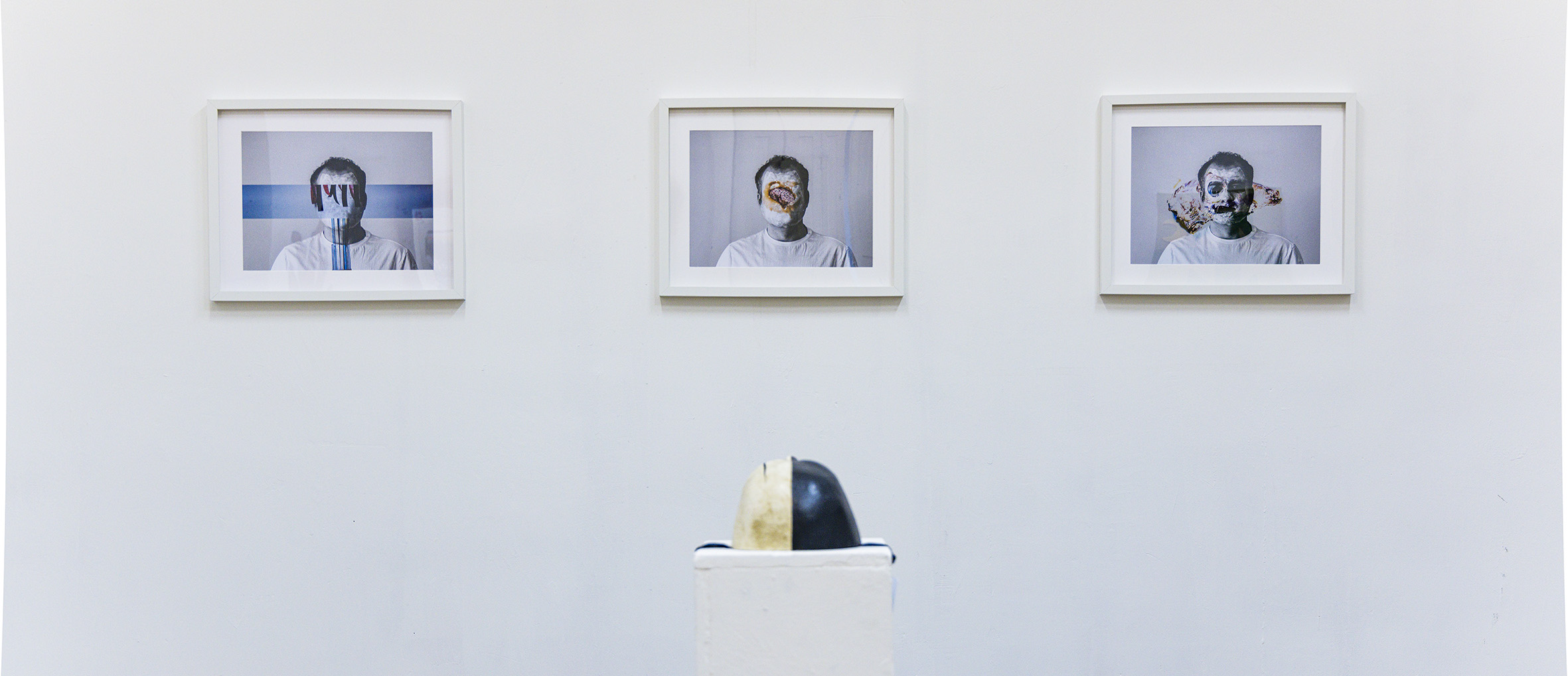
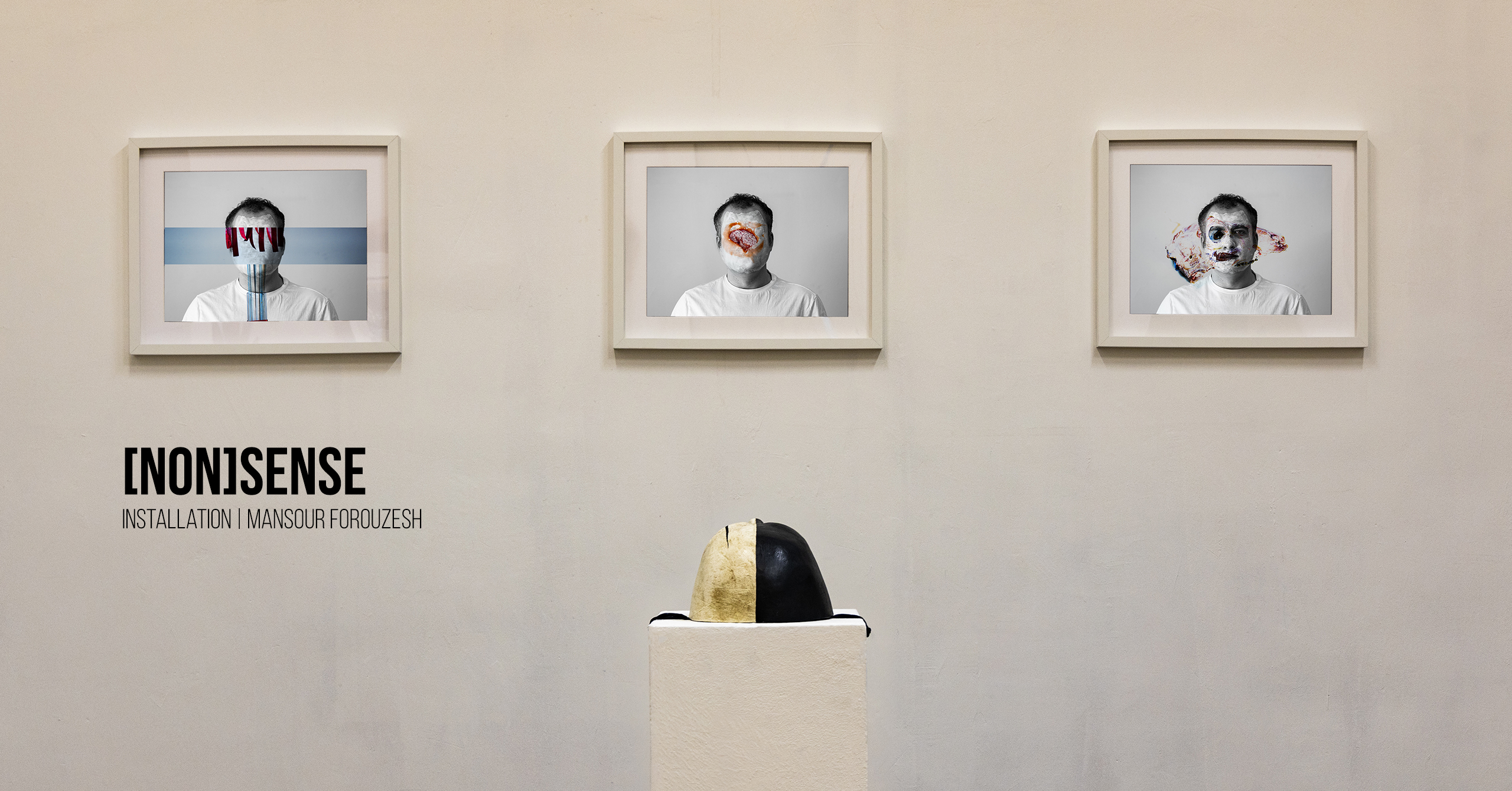
The experience unfolds in three interconnected phases. The audience is first engaged by a series of photographs titled Id, which present direct yet nuanced expressions of the internal human condition—grappling with meaning, perception, and interpretation. These images speak to instinctual, raw aspects of being, offering cues about how individuals experience and project meaning onto the world.
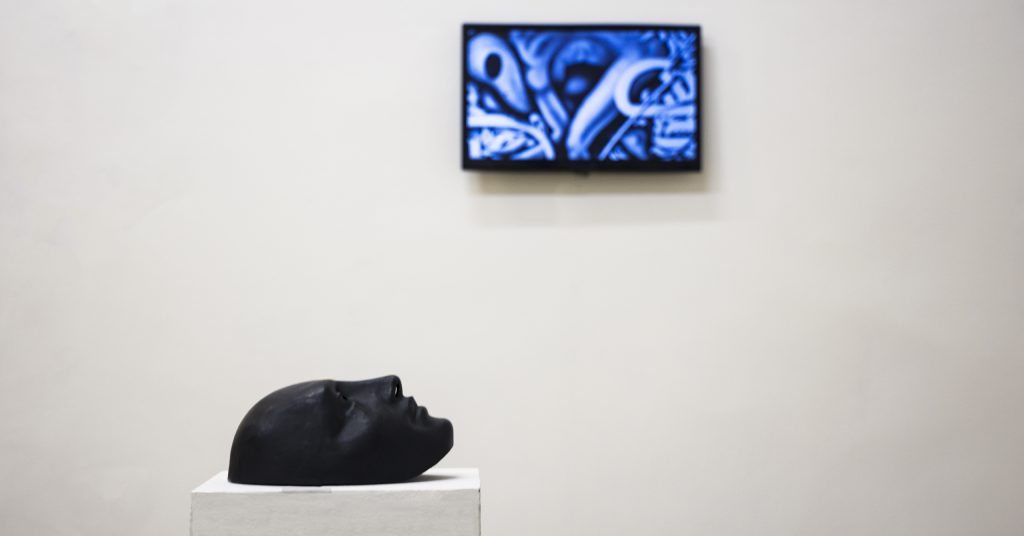
The second phase, titled Ego, takes the form of a video installation that shifts the viewer’s role from passive observer to active participant. The juxtaposition and rhythm of visual sequences prompt deeper engagement, encouraging viewers to reassess their initial interpretations and question their relationship to the imagery. This segment acts as a bridge between instinctive response and conscious analysis, echoing the function of the ego in mediating between impulse and reason.
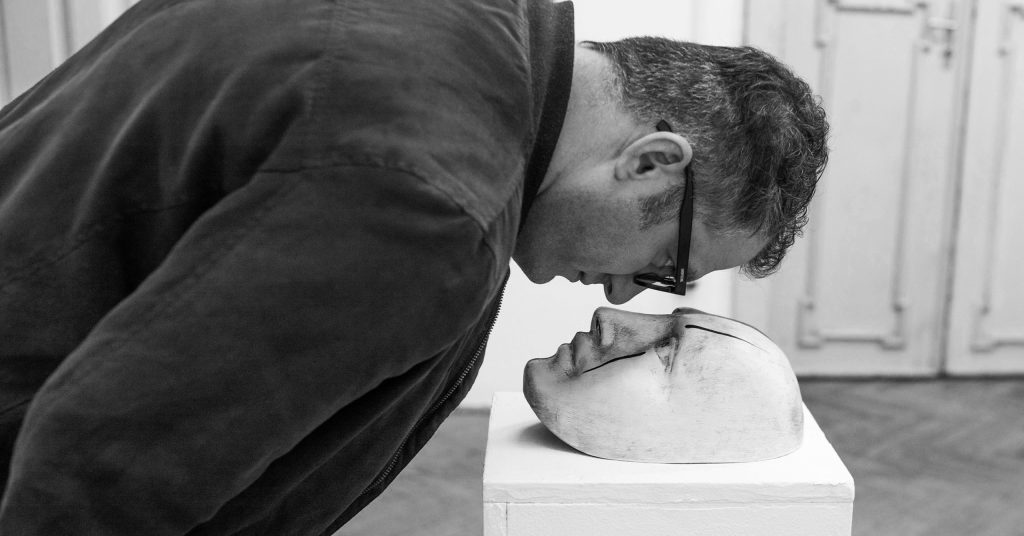
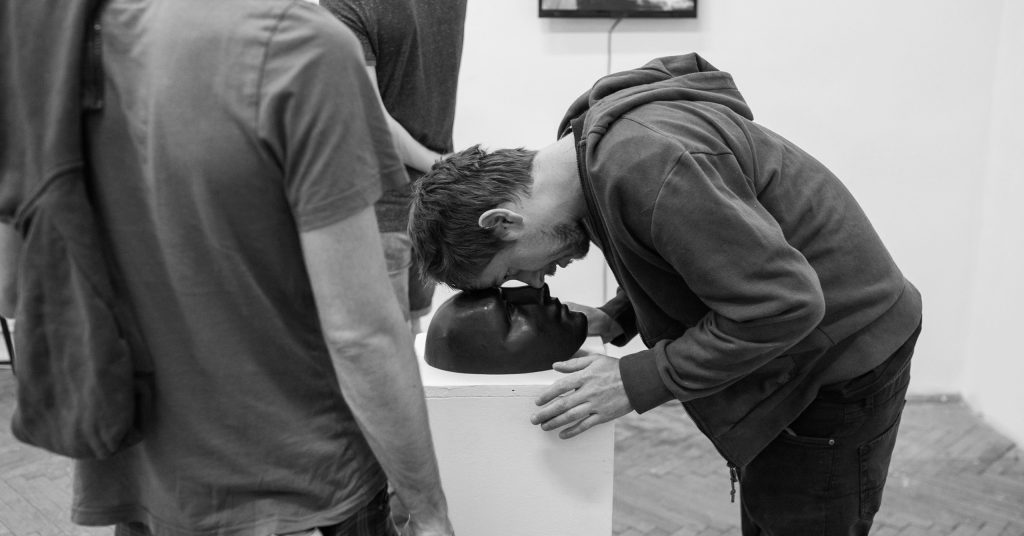
The journey culminates with the Super Ego artwork—an interactive object that confronts the audience with their own reflection, both metaphorically and literally. Here, the viewer no longer stands apart from the work but becomes implicated within it. This final confrontation reveals a layered self-awareness, encouraging a shift from external critique to introspective questioning. What begins as an analytical observation of others turns inward, transforming into a personal reckoning.
In this way, [NON]SENSE prioritizes self-doubt over judgment, guiding the audience toward a more nuanced understanding of their own psychological frameworks.

At its core, [NON]SENSE explores existential dualities such as meaningfulness and meaninglessness—concepts that may lack inherent anchors in the objective world and instead rely on the subjective lens of human consciousness. Meaning is portrayed not as a fixed truth but as a fluid and often elusive construct that emerges through the interplay between phenomena and interpretation. If either component is absent or distorted, meaning collapses, and what once seemed coherent may dissolve into ambiguity—or what once seemed nonsensical may reveal unexpected depth.
Rooted in Freud’s theory of personality, the structure of [NON]SENSE mirrors the triadic psyche: Id, Ego, and Super Ego. Each phase of the installation corresponds to one of these psychological layers, offering a symbolic and experiential map of human selfhood. The photographic Id appeals to primal emotion, the video-based Ego engages rational analysis, and the objectified Super Ego demands
ethical reflection and confrontation with internalized values.
Individually, each work stands on its own, addressing a specific psychological dimension of how we interpret and exist within the world. Collectively, they form a conceptual and sensory feedback loop that encourages repeated engagement. When revisited in sequence, the works unfold differently each time, reshaping perception and deepening interpretation. What first appears linear becomes cyclical—mirroring the recursive nature of self-reflection.
Ultimately, [NON]SENSE functions as a mirror within a mirror, reflecting not only the complexity but also the contradictions of the human psyche. It examines the fragile tension between clarity and confusion, simplicity and complexity, self and other. In doing so, it suggests that meaning is not something passively received from the world but something actively—and sometimes painfully—constructed within it.
The [IN]VISIBLE MEANING photography project originated from a fundamental question about the meaning of life: how much of the meaning we perceive is derived from a transcendental reality, and how much is shaped by human perception? To explore this question, I experimented with various formats.
Early works, such as the FEAR photo series, allowed viewers to connect with the narrative based on their own lived experiences. In an attempt to communicate my own interpretation of meaning more directly, I began incorporating additional elements into the presentation. For example, in my first solo exhibition, I presented the Comfort Zone photo series in a dusty, abandoned part of the building. This choice emphasized the unease of urban living, which is the core theme of the series. To further support this, I also included extensive written explanations alongside the visual material.
However, I soon realized that these texts remained external to the visual experience rather than becoming part of it. In my next exhibition at 2B Gallery, I attempted to integrate interpretation more directly into the gallery space itself. Alongside the Bubble photo series, I added a balloon and a piece of metal wire to demonstrate that what viewers were seeing was primarily a play of light and shadow captured by the camera, rather than an image necessarily imbued with pre-existing meaning.
In this latest exhibition, I aim to engage the audience more directly in the process of interpreting meaning. Rather than emphasizing that life’s meanings are random intersections we choose to define as “significant,” this project introduces a new approach focused on audience surprise. I express a core concept through three distinct mediums, anchored in the Freudian model of the psyche: Id, Ego, and Super Ego. The journey begins with three photographs representing the Id, which present instinctive and visceral visual cues about perception and interpretation. These are followed by a video installation titled Ego, which invites the audience to engage more critically through layered imagery and temporal structure.
Finally, viewers are confronted with the Super Ego object—a simple yet charged combination of a mask and a mirror. This final encounter asks them to confront their own reflection, suggesting that the meaning they seek ultimately lies within themselves. The experience underscores the idea that meaning is highly personal, varying as widely as the individuals who perceive it.
A philosophical perspective on human interpretation of the outer world often neglects the subtle yet essential presence of the inner world in our everyday lives. [NON]SENSE is an exploration of this overlooked relationship, examining the continuous interaction between humans and their environments—both external and internal. Through a critical lens and a multi-layered, interactive artistic approach incorporating photography, video installation, and tactile objects, [NON]SENSE challenges conventional perceptions.
It invites the audience on a journey that leads to a surprising and reflective confrontation with the self in its final stage.
The experience unfolds in three interconnected phases. The audience is first engaged by a series of photographs titled Id, which present direct yet nuanced expressions of the internal human condition—grappling with meaning, perception, and interpretation. These images speak to instinctual, raw aspects of being, offering cues about how individuals experience and project meaning onto the world. The second phase, titled Ego, takes the form of a video installation that shifts the viewer’s role from passive observer to active participant. The juxtaposition and rhythm of visual sequences prompt deeper engagement, encouraging viewers to reassess their initial interpretations and question their relationship to the imagery. This segment acts as a bridge between instinctive response and conscious analysis, echoing the function of the ego in mediating between impulse and reason.
The journey culminates with the Super Ego artwork—an interactive object that confronts the audience with their own reflection, both metaphorically and literally. Here, the viewer no longer stands apart from the work but becomes implicated within it. This final confrontation reveals a layered self-awareness, encouraging a shift from external critique to introspective questioning. What begins as an analytical observation of others turns inward, transforming into a personal reckoning.
In this way, [NON]SENSE prioritizes self-doubt over judgment, guiding the audience toward a more nuanced understanding of their own psychological frameworks.
At its core, [NON]SENSE explores existential dualities such as meaningfulness and meaninglessness—concepts that may lack inherent anchors in the objective world and instead rely on the subjective lens of human consciousness. Meaning is portrayed not as a fixed truth but as a fluid and often elusive construct that emerges through the interplay between phenomena and interpretation. If either component is absent or distorted, meaning collapses, and what once seemed coherent may dissolve into ambiguity—or what once seemed nonsensical may reveal unexpected depth.
Rooted in Freud’s theory of personality, the structure of [NON]SENSE mirrors the triadic psyche: Id, Ego, and Super Ego. Each phase of the installation corresponds to one of these psychological layers, offering a symbolic and experiential map of human selfhood. The photographic Id appeals to primal emotion, the video-based Ego engages rational analysis, and the objectified Super Ego demands ethical reflection and confrontation with internalized values.
Individually, each work stands on its own, addressing a specific psychological dimension of how we interpret and exist within the world. Collectively, they form a conceptual and sensory feedback loop that encourages repeated engagement. When revisited in sequence, the works unfold differently each time, reshaping perception and deepening interpretation. What first appears linear becomes cyclical—mirroring the recursive nature of self-reflection.
Ultimately, [NON]SENSE functions as a mirror within a mirror, reflecting not only the complexity but also the contradictions of the human psyche. It examines the fragile tension between clarity and confusion, simplicity and complexity, self and other. In doing so, it suggests that meaning is not something passively received from the world but something actively—and sometimes painfully—constructed within it.